


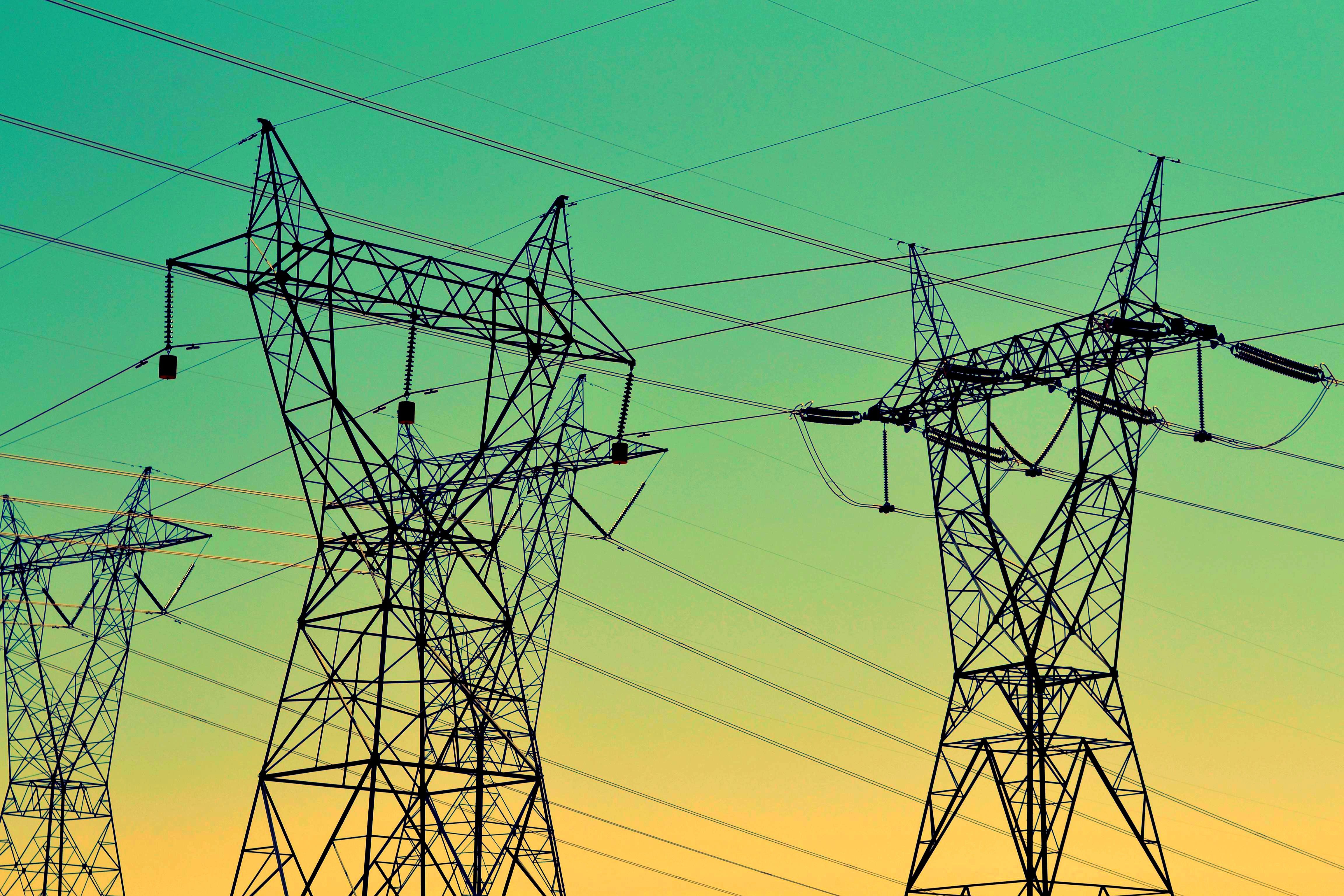
The Entrepreneurs Network, in partnership with Mishcon de Reya, recently convened a private roundtable dinner between the Rt Hon Claire Coutinho MP, Shadow Secretary of State for Energy Security and Net Zero, and founders of startups trying to solve some of Britain’s thorniest energy problems. While the conversation was under the Chatham House Rule, here we pull out some of the themes that were discussed.
Britain’s energy system constrains its entrepreneurial ecosystem
While each participant had their own views, a broad consensus emerged around the idea that Britain’s current energy system often constrains its entrepreneurial ecosystem — and that failure to change course will only compound this further. Most straightforwardly, when businesses pay over the odds for energy, their competitiveness is eroded. For especially energy-intensive industries, it is not hyperbolic to state that high prices present an existential risk. Meanwhile, concerns over the reliability of supply are increasingly being factored into decision-making processes, which will likely have downstream consequences for all entrepreneurs.
Amid the fears, however, there was still plenty of optimism. Once a neglected issue, energy policy has shot to prominence of late. An increasing number of policymakers understand the importance of having a cheap and reliable energy system, and there is a growing body of ideas for how we deliver exactly that. To a large extent, we know what the problem is, and how to solve it. The question of doing so will be dependent more on sustained political will than anything else.
A grid that gets less productive as it grows
Several participants focused on the UK’s increasingly fragmented electricity grid. Wind, solar, gas and batteries are being layered on top of one another without sufficient integration, creating both technical and financial strain. As one participant succinctly put it:
“We’ve optimised for adding capacity, not for making the system work.”
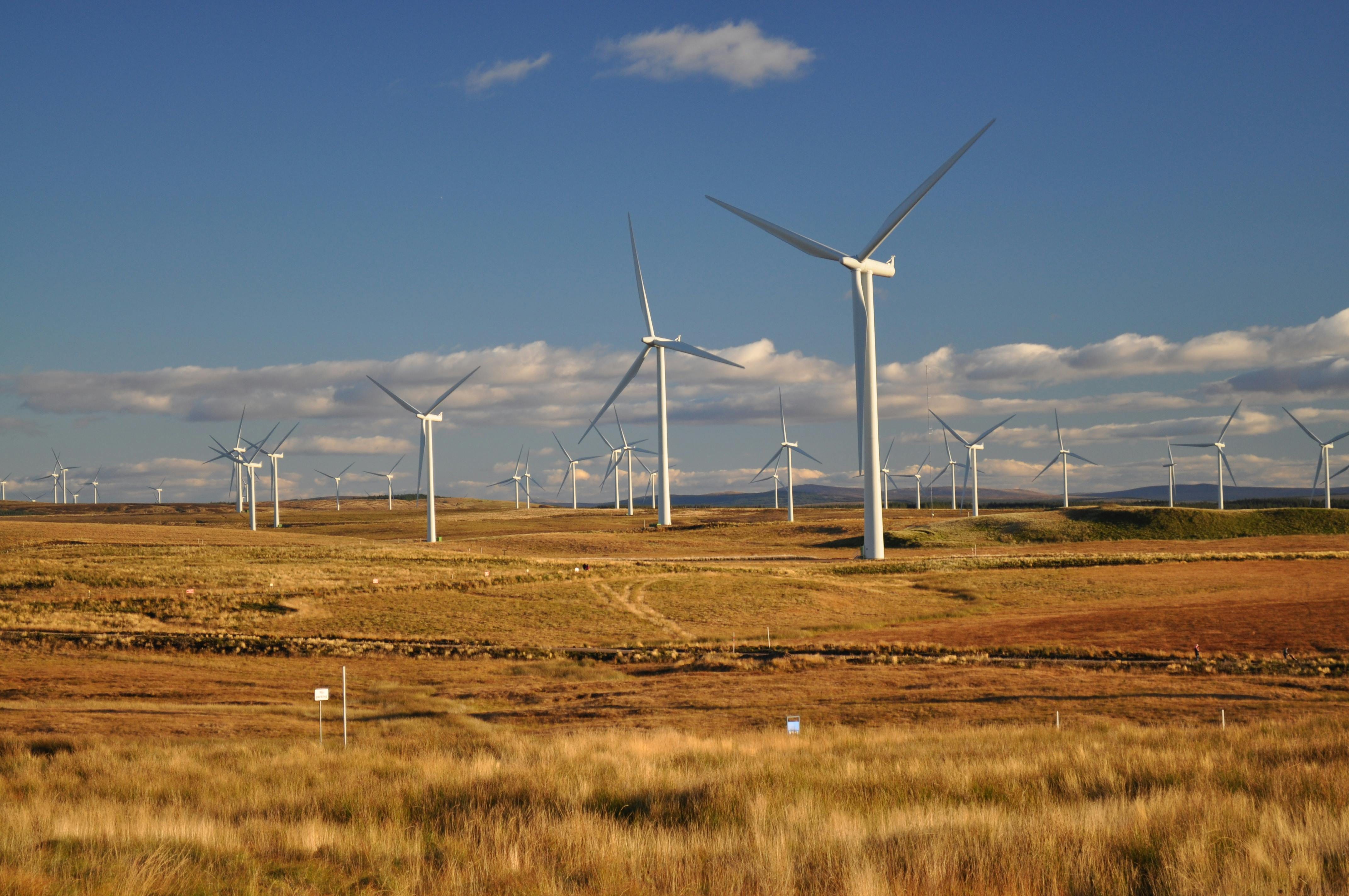
One symptom of this is the growing scale of ‘constraint payments’ — money paid to generators to not produce electricity because the grid cannot handle their additional supply at a given point in time. Last year, constraint payments to wind farms hit a record £1.5 billion — a figure that looks set to only increase as more and more renewables are installed. Similarly, the costs of balancing grid frequency increase as traditional rotating power stations are replaced by inverter-based generation, which do not provide the inertia needed for grid stability. As demand for electricity grows overall due to the electrification of vehicles, heating and heavy industry, additional infrastructure will need to be built out — including, for example, hundreds of thousands of kilometres of cable.
The result is that the UK has some of the cleanest electricity in the world, but also some of the most expensive. That combination is increasingly a barrier to growth, particularly for energy-intensive industries, as well as being a burden on households. Participants questioned whether there might be other ways in which the UK could have a greater impact in tackling global climate change — such as by developing and exporting clean energy technologies — while also noting that it would be a dubious honour for Britain to set the example of being a global leader in decarbonisation, but only if it comes at the expense of economic growth.
Microdelays with macro consequences
Founders were particularly keen to discuss the institutional environment around energy infrastructure, and the bottlenecks they had experienced. Regulators and delivery bodies were described as risk-averse, fragmented and slow — with little internal incentive to approve new innovations, solutions or ways of operating.
Ofgem’s growth from a few hundred staff to several thousand was cited not as evidence of greater capability, but of procedural accumulation. The overlap of multiple bodies — such as Ofgem, the National Energy System Operator (NESO), the Climate Change Committee, the Low Carbon Contracts Company (LCCC), the National Infrastructure and Service Transformation Authority (NISTA) and others — also came in for criticism. All of these hold different levers, and often pull in different directions. Decision-making becomes slow, and ultimate responsibility is diffused.
This results in what one founder described as “zero-cost regulatory hurdles,” such as months waiting for simple sign-offs from Distribution Network Operators to approve a microgrid or connection change. While individually trivial, these delays stack up, deterring customers and even killing startups who need to operate on rapid cycles.
Participants noted that other countries, such as the United States, are far more responsive. There was widespread agreement that the problem is rooted in civil service culture and a failure to recognise that speed of response is itself an economic input.
Who policy is designed for
A recurring critique was that government energy policy primarily engages with firms seeking subsidies, rather than those seeking regulatory change. That dynamic favours incumbents with the capacity to navigate complex processes, and sidelines new entrants trying to build around the system’s constraints.
Some participants argued for a gradual shift away from government-procured energy, with fixed-rate contracts and socialised risk, toward a more merchant model where private actors bear risk and compete on cost. Done well, this could reduce long-run prices for consumers while sharpening incentives to build efficiently.
A broader point was institutional; policy should distinguish more clearly between supporting incumbents through subsidy, and supporting entrants through speed, clarity and permissionless innovation.
Coming demand shocks
Looking forward, a number of participants warned of a growing mismatch between government energy forecasts and the reality of AI-driven demand. Some even explained that they will be relocating from the UK as a direct result of energy constraints and costs. There was widespread agreement that if the UK is serious about having sovereign AI capabilities, it must confront its looming energy gap.
The US currently has far more compute capacity per capita than the UK. Catching up will require the system to absorb massive load growth — something largely absent from Clean Power 2030 assumptions. For some companies, the inability to secure firm power is already preventing capital deployment.
Energy costs matter. For data centres, power is the single largest operating expense. Several participants argued that building new unabated gas capacity — while politically awkward — may be a pragmatic way to provide reliable baseload power for AI in the medium term.
Nuclear options
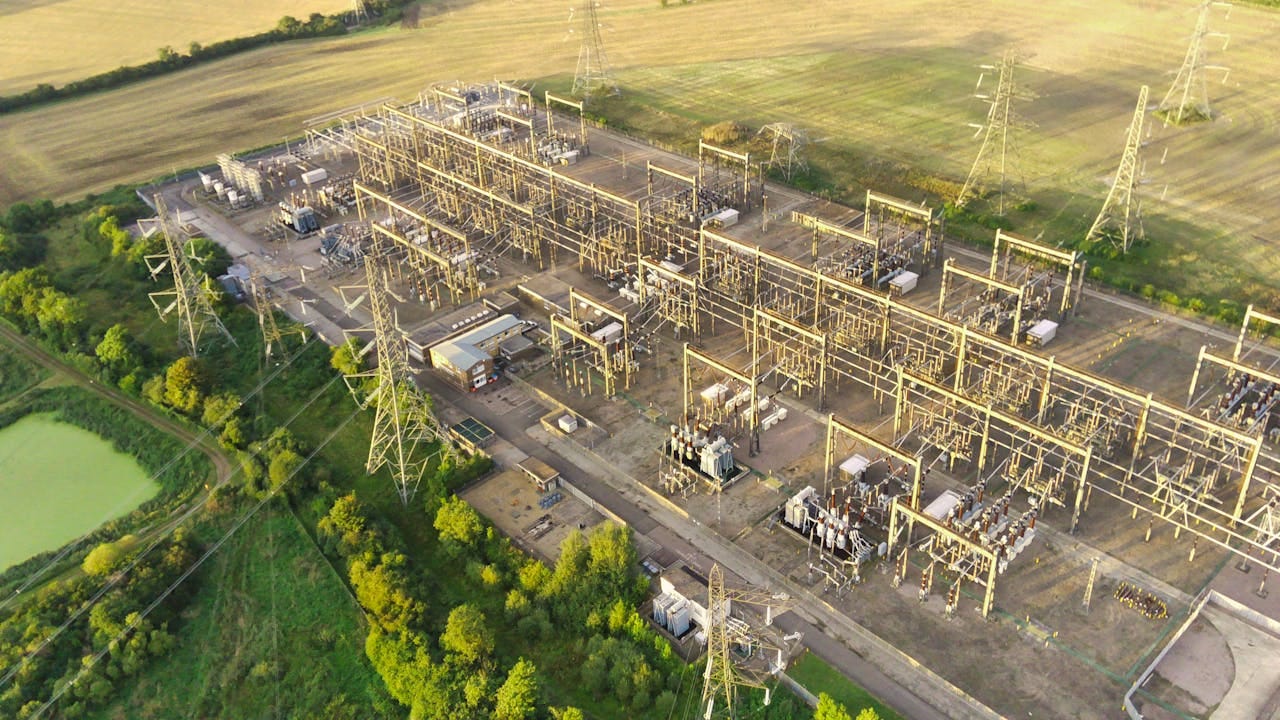
Nuclear power was a key focus of the discussion for bolstering Britain’s power capacity. France’s experience — of 56 reactors built in under 30 years — stands in stark contrast to the UK’s, which has not connected a new reactor to the grid since 1995. Increasing nuclear capacity could help provide the additional baseload required.
While standardisation is widely accepted as key to reducing nuclear costs, regulatory requirements in Britain often force extensive redesign of proven technologies. The result is that the UK has become one of the most expensive places in the world to build new nuclear power stations.
Some firms are responding by exploring micro-modular reactors behind the meter, bypassing the grid altogether. This is an indicator of businesses’ lack of confidence in Britain’s energy system.
Re-ordering priorities
On solutions, there was broad agreement that energy policy needs a clearer hierarchy of objectives. Security and cost-effectiveness should be the first priority, with decarbonisation an important consideration rather than the sole organising principle.
Several argued that policy should focus more on moving people and industries onto the grid — in other words, electrifying heat, transport and industry — even if the generation mix is not yet entirely green. A usable, affordable grid builds public and industrial support in a way an expensive, brittle one does not.
What government does well and where it falls short
Participants were not uniformly negative. Renewed attention to nuclear in the Fingleton Review, for instance, was cited as an excellent example of the Government being able to diagnose a problem quickly and clearly — even if it remains to be seen whether tangible policy change will follow.
However, clear gaps remain — such as in planning and infrastructure policy, and the need to better distinguish between helping incumbents navigate subsidy regimes and helping entrants clear regulatory barriers.
The underlying message from the dinner was pragmatic rather than ideological. Britain lacks a system that rewards speed, integration and cost discipline, and which appreciates the scarcity of time for startups. Until that changes, the risk is not just higher bills, but a gradual erosion of the UK’s attractiveness as a place to build industries and to start and grow companies more broadly.
This was produced in collaboration with Mishcon de Reya, an international law firm.